All Categories
Featured
Table of Contents
Automation is a game-changer in accounting software application, allowing small organization owners to save time and reduce mistakes. Advanced bookkeeping options can likewise supply AI-driven insights, helping businesses make data-driven monetary choices with greater accuracy and performance, while ensuring that human domain experts are included in the backend, making sure that the data is accurate.
This procedure involves comparing taped transactions with bank statements to identify discrepancies, missing payments, or unauthorized charges. Automated reconciliation tools can speed up this process by connecting directly to bank accounts and flagging inconsistencies, helping business owners maintain financial accuracy, prevent scams, and prevent pricey errors. Extensive financial reporting is vital for understanding organization efficiency and making informed decisions.
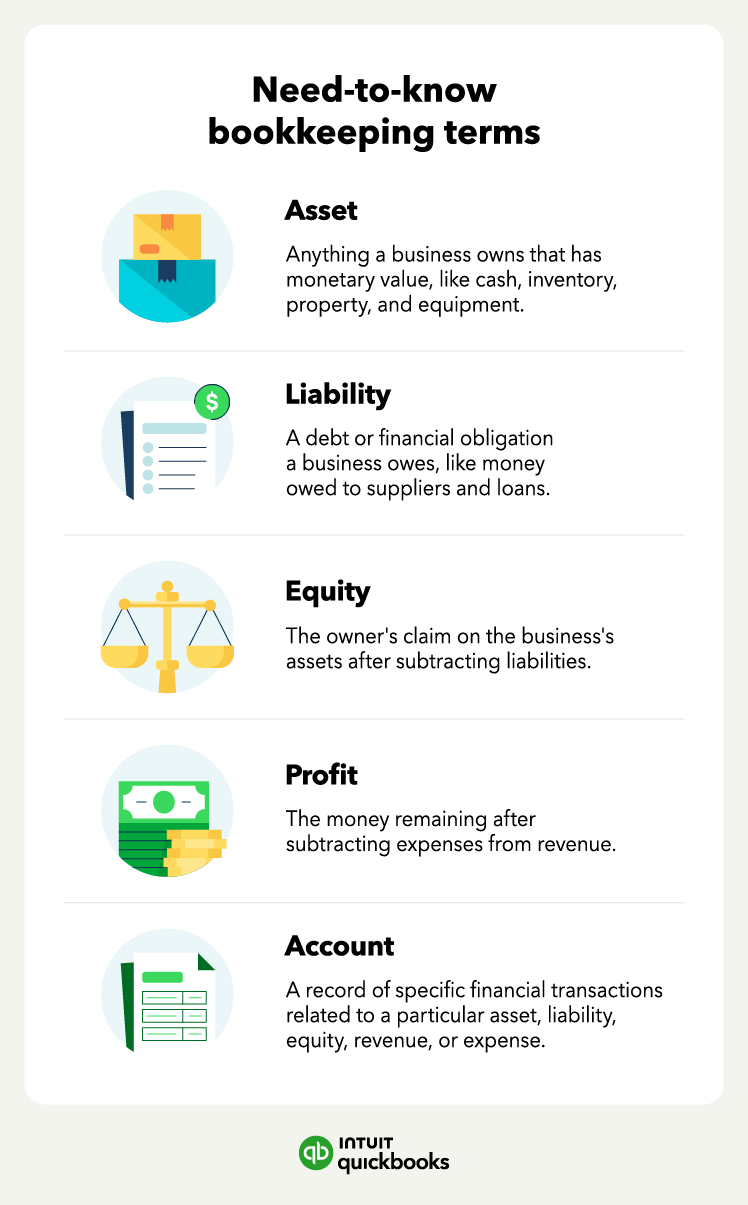
These reports supply insights into income trends, cost patterns, and total monetary health. The very best accounting tools permit report customization, allowing entrepreneur to focus on essential metrics pertinent to their market and operational needs. Seamless combination with payment processors guarantees that inbound and outbound deals are precisely taped in the accounting system.
This feature is especially essential for ecommerce organizations, where transactions occur throughout several platforms, making automated tracking essential for managing capital and monetary reporting. While numerous small company owners start by handling their books alone, there comes a point when contracting out becomes a smarter option. Working with a bookkeeper is essential when accounting jobs begin taking too much time away from running business, monetary records end up being too intricate to handle precisely, or tax compliance becomes a concern.
The expense of accounting services varies depending upon factors such as the intricacy of monetary transactions and the scope of work. Small companies can expect to pay anywhere from $300 to $400 each month for basic bookkeeping services. Cloud-based bookkeeping solutions that combine software application with professional accounting services, such as Finaloop, use an affordable option to hiring a standard bookkeeper.
Ways to Manage Retail Stock Control
Business owners should try to find an accountant with experience in their industry, proficiency in accounting software application, and a strong understanding of tax policies and financial reporting. While both bookkeepers and accountants work with financial information, their roles differ substantially. A bookkeeper is accountable for recording daily financial deals, handling billings, tracking expenses, and reconciling accounts.

An accountant, on the other hand, interprets monetary information, prepares monetary declarations, analyzes business efficiency, and offers strategic financial guidance. Accounting professionals also handle tax preparation and compliance, ensuring businesses fulfill legal requirements. Failing to keep receipts and appropriate financial records can make it hard to track expenses and validate reductions throughout tax season.
To avoid this error, organizations ought to execute a system for keeping receipts digitally or physically, using accounting software application or apps to scan and classify costs for simple reference. One of the most typical accounting errors is mixing personal and company finances. Using an individual savings account or charge card for business purchases makes it more difficult to track overhead, makes complex tax reporting, and increases the danger of errors.
A Detailed Guide for 2026 Business Loan Prerequisites
Regular bank reconciliation makes sure that a company's monetary records properly reflect real-world transactions. Stopping working to fix up bank and credit card statements can result in unnoticed errors, missing payments, or fraudulent deals slipping through undetected. By comparing bookkeeping records with bank statements on a weekly or monthly basis, business owners can capture inconsistencies early, right mistakes, and keep monetary precision.
To avoid this, organizations should approximate their tax obligations throughout the year and set aside a portion of their profits in a separate tax cost savings account. Using bookkeeping software application or seeking advice from with an expert can also help guarantee accurate tax planning and compliance. Small expenses, such as workplace products or coffee conferences, may appear unimportant, however they can build up over time and effect overall success.
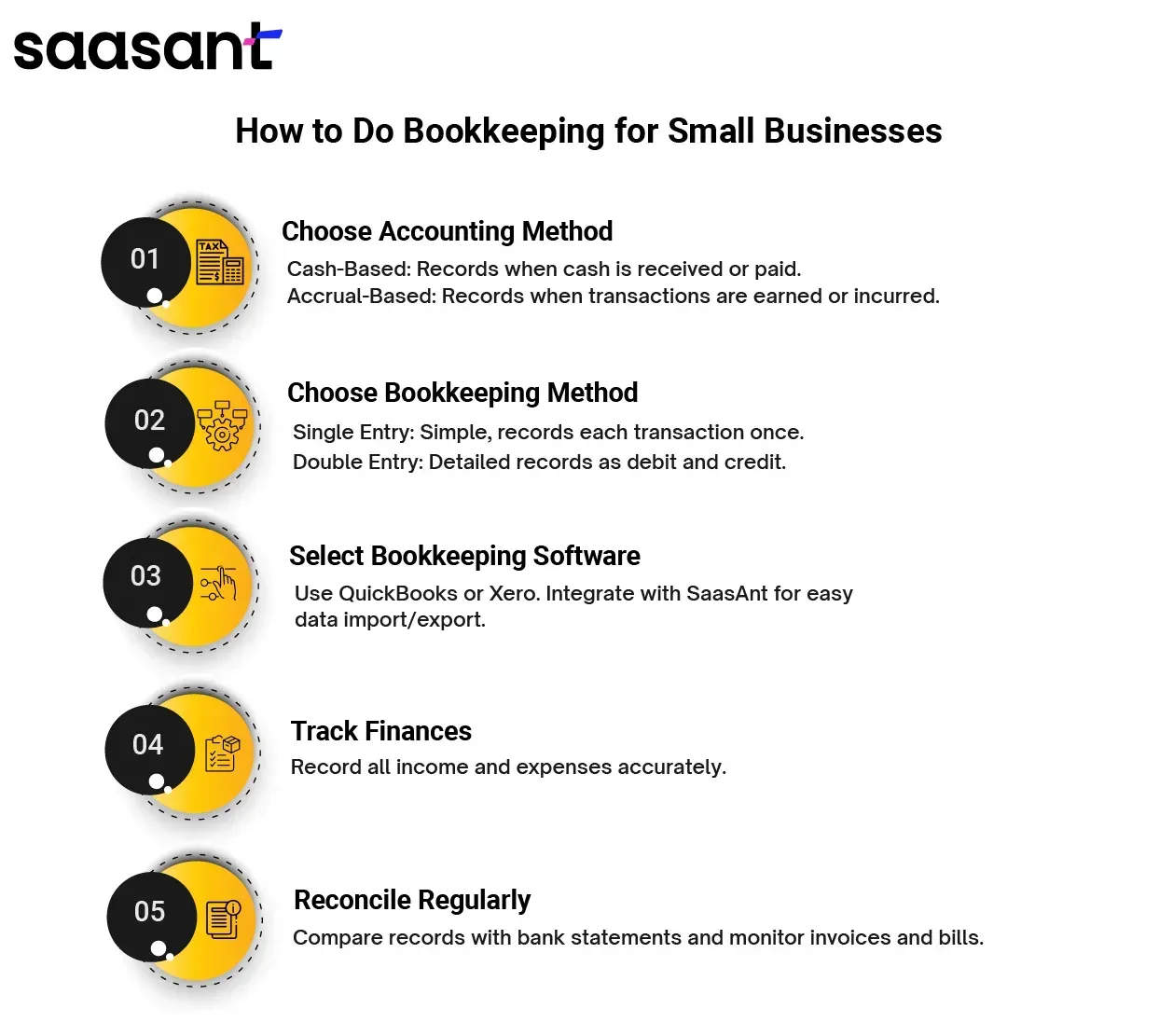
To preserve a precise image of service expenditures, small company owners need to record every transaction, no matter how minor, and classify them properly. Accounting software with automated tracking features can help guarantee that even the smallest expenditures are accounted for. Effective bookkeeping is essential for the financial health and long-lasting success of any little company.
Combining AI and Boost Store Fiscal PlanningWe have actually explored crucial bookkeeping tasks, the advantages of automation, common errors to avoid, and when it might be time to outsource bookkeeping entirely. Remaining arranged and proactive with bookkeeping can help small companies avoid monetary tension and costly errors. By maintaining precise records, reconciling accounts routinely, and preparing ahead for taxes, entrepreneur can make better financial decisions and stay certified with tax laws.

Latest Posts
Smart Staff Scheduling Tactics for Peak Productivity
Effective Cost Reduction Strategies for Greater Financial Sustainability
Lowering Retail Operating Expenses to Increase ROI