All Categories
Featured
Table of Contents
The benefit is that you can count this stock without affecting your everyday operations. It doesn't tell you your total stock levels, so it's not a substitute for a complete count. Effective inventory management includes collaborating a lot of moving parts. Stock management solutions consist of anything that makes this massive job much easier, such as tools that assist you improve workflows for maximum performance.
Make certain everyone knows the policies for each job, and request for feedback on what would make things simpler. This kind of stock management planning will provide you a running start as your business expands and your stock turnover increases. Even if you're a small company, trying to handle your stock with totally manual techniques takes a great deal of time and leaves you open to costly errors.
Smart demand planning and stock management will help keep inventory expenses low while fulfilling consumer expectations. Stock management controls allow multichannel and multi-location fulfillment.
Linking Staff Productivity to Operational Success
The benefit is that you get more presence into your operations, and you can make smarter choices on how to optimize your stock. Brightpearl is an extensive Retail Operating System that's designed particularly for omnichannel merchants. It includes stock and sales order management, order satisfaction and shipping, storage facility management, accounting, company intelligence, and built-in POS (point of sale) and CRM.
Accuracy is everything when it concerns stock tracking. Brightpearl instantly updates your inventory across all sales channels right away after any brand-new orders, replenishments, returns, and warehouse transfers. The integrated POS also syncs your online and offline channels in genuine time. You can make complete or partial cycle counts based upon things like item efficiency, product worth, and place and even track basic material stock.
New 2026 Business Loan Criteria Explained
Brightpearl's incorporated Stock Coordinator supplies data-driven need forecasting along with robust analytics and reporting capabilities. You can keep track of altering consumer demand, market modifications, and new patterns, along with the sales performance of each itemtaking seasonality into account. The system also provides you replenishment suggestions when a product is running low.
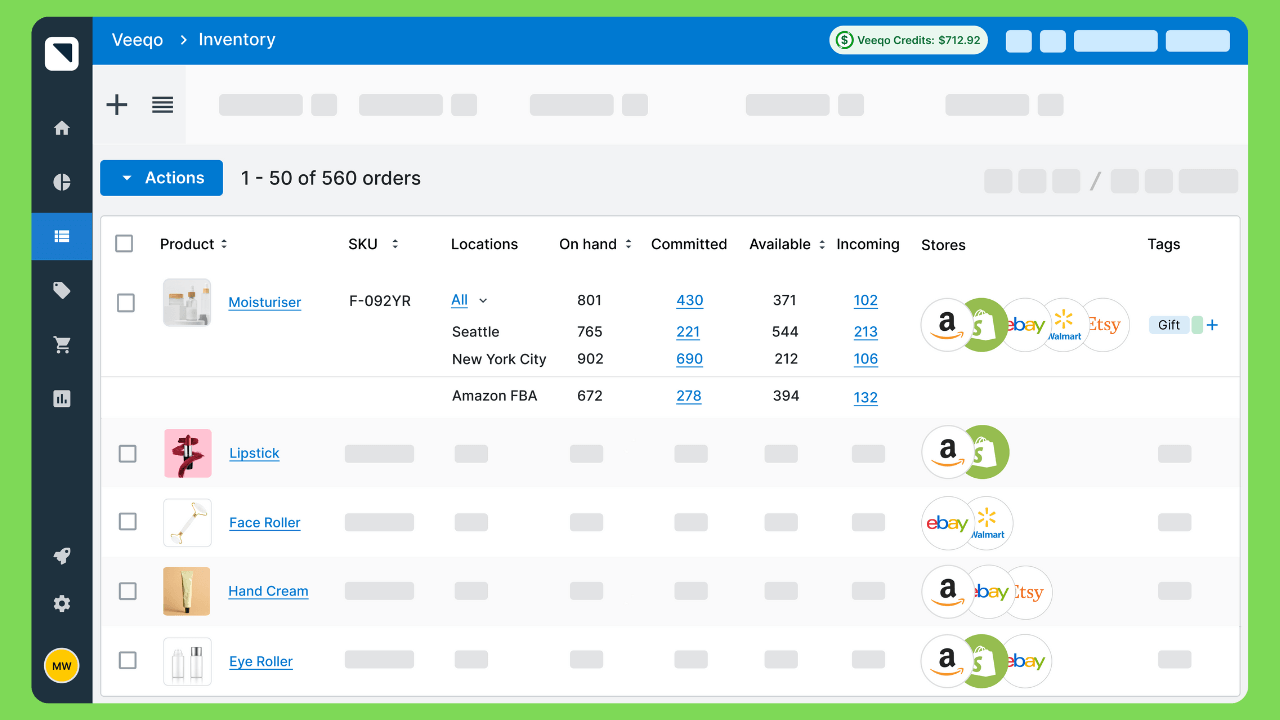
It likewise reduces labor expenses by 50%, cuts delivering time by 92%, and reduces human error by 65%. You can automate multi-location fulfillment (such as order routing, splitting, backorders, and dropshipping), allocate orders to various storage facilities, and transfer inventory in between storage facilities.
This analysis also assists with forecasting and warehouse optimization. Pick the FIFO (First-in, First-out) accounting design or account for your COGS (Cost of Item Sold) at the point of delivery or billing, and easily calculate landed costs.

Navigating 2026 Business Loan Criteria for Growth
You can set your own reorder point, and the system will signal you when it's reached. The useful Replenishment Report reveals you which products need to be reordered and in what amounts. It'll even recommend which supplier to utilize, and you can create order in one click. When it concerns choosing inventory management services, it's handy for company owner to make a list of needed tools and features.
Improving Store Inventory to Reduce Retail CostsIt's always worth getting a totally free trial of the software. As ease of use and scalability, you'll want to look at security, uptime, and level of support. Know any covert charges, and examine if integrations are pre-built by the supplier. Some companies pick to utilize standalone inventory software application and link it to a WMS or OMS platform.
Here are a few examples of companies that have nailed their stock management strategies: Toyota pioneered the JIT approach in 1970, and it showed so efficient that they're still utilizing it today. In their strategy, basic materials for car production are not brought to the production floor until a consumer order is gotten.
Apple also utilizes JIT concepts within its production process however in a slightly different way. Apple's method is built on strong supplier relationships, which enables production to be outsourced in order to keep costs down and minimize the risk of overstocking. Apple has 150 key providers around the world however just one warehouse in the USand the majority of its inventory is housed in its own retail stores.

Latest Posts
Smart Staff Scheduling Tactics for Peak Productivity
Effective Cost Reduction Strategies for Greater Financial Sustainability
Lowering Retail Operating Expenses to Increase ROI