All Categories
Featured
Table of Contents
Accounting is the process of recording, measuring, interpreting and reporting monetary info. Monetary transactions, earnings, expenses, inventory costs, properties, loans and other essential financial figures are all a part of accurate accounting. Entrepreneur require to be able to examine deals based upon when they occurred and accounting produces a comprehensive trail of documents that describe their current monetary scenario.
Services require to satisfy specific regional and federal requirements when it comes to reporting their financial resources, so accurate accounting is important for the success of a small company. Other advantages of careful accounting consist of: When pursuing outdoors funding from a bank or a financier, having actually detailed accounting records that demonstrate your monetary health can assist you secure a loan or partnership.
Company owner can examine their accounting records to discover methods to cut expenses and task future earnings or expenditures. Throughout tax season, having an accountant examine your records can assist you discover prospective tax reductions to conserve your service cash. Accounting and accounting both deal with monetary data, but they serve different purposes for company owner.
Accounting uses specialized critical thinking and analytical abilities and accountants hold certification or titles (CERTIFIED PUBLIC ACCOUNTANT) or a degree in accounting. Accounting doesn't need sophisticated education or abilities as it focuses more on the capability to be arranged and precise. There are 2 approaches of accounting: accrual and money. Accrual accounting includes tape-recording deals immediately after they are finished.
Improving Store Operations for Financial SuccessTheFinancial Accounting Standards Boardneeds services that have an inventory to use accrual-based accounting because it more accurately reflects the value of their properties at any given minute. Cash accounting is the most basic form of accounting and consists of tape-recording deals when the real money is exchanged. Small companies that offer services instead of products can use cash accounting.
How Digital Stock Management Systems Cut Overhead
Think about these best practices when establishing your accounting policies for your business: Bookkeeping and accounting involve keeping track of many important numbers, a job you can simplify by utilizing accounting software to automate tasks. Paying staff members, processing billings and other bookkeeping responsibilities can all be finished utilizing software application that keep track of your information and produce reports.
Having distinct represent your overhead is necessary for having a clear understanding of your company's financial resources. Tracking your income, expenses and tax payments is easier if you do not have individual purchases blended in with business expenditures. Separating your individual and company accounts also protects you from being personally responsible for company concerns.
Small organizations should look over accounting reports at least when a month, but you may wish to have bi-weekly or weekly reviews to have a better understanding of your expenditures and income. During your review, reconcile your books with your savings account, ensuring that the balance matches what you have in your records.
Print out and file digital reports, and consider scanning paper documents to produce a database of backup files on your computer system. If you're unsure if a receipt or invoice is necessary, it's better to keep it instead of toss it. You must track all expenses and income for your accountant to analyze, paying unique attention to these categories: Sales Purchases Payroll costs Accounts receivable Accounts payable Loans payable Stock Hiring an accountant can streamline your small company's financial resources, especially if your business is growing.
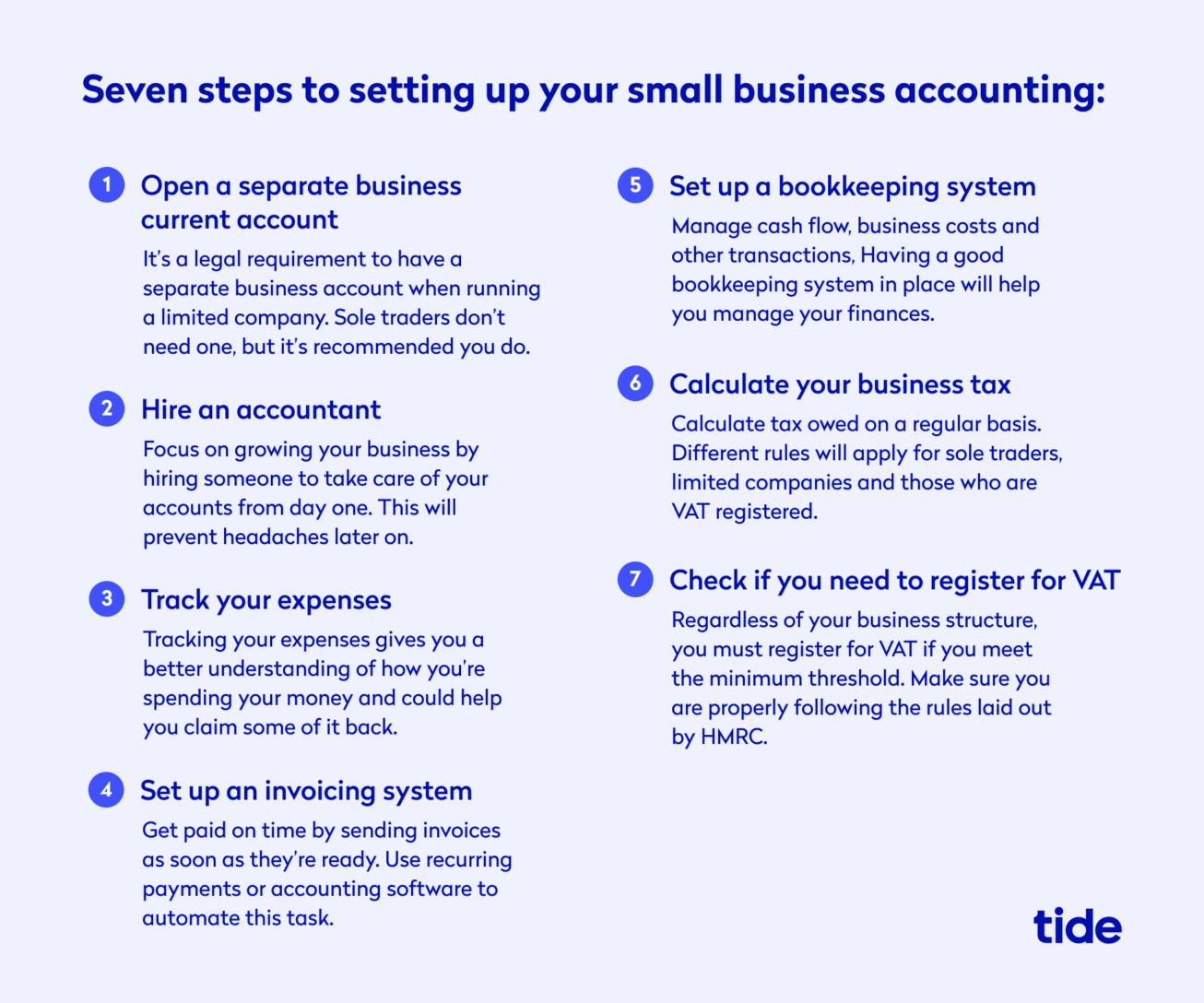
Accounting professionals can give you suggestions on the legal structure of a brand-new organization, submit your company's taxes each year and seek advice from on your service plan. Your small company needs to think about employing an accounting professional if: You plan to expand your payroll You have concerns about reductions You don't understand where your service earnings is going Accounting and record-keeping is distracting you from other management duties.
10 Finance Tips for Modern Small Businesses
Accounting is an important company task that every company has to contend with, regardless of industry, service model or sales approach. Setting up your accounting properly from the extremely beginning will save you a lot of headaches and hassle as you grow.
Before you can begin considering your business's accounting practices, you'll desire to open a devoted organization savings account and/or charge card, if you don't already have one. It's appealing to mix service and personal financial resources, specifically if you're a sole proprietor, but keeping those financial resources different will make it a lot easier to keep track of your earnings and costs when tax time comes.
Each method has its pros and cons, and if your service makes less than $25 million in profits, you can choose whichever one matches you finest (companies must use the accrual method beyond the $25 million mark). It is necessary to select carefully, however, as you will need to stick to the exact same accounting technique from year to year when you submit your income tax return.
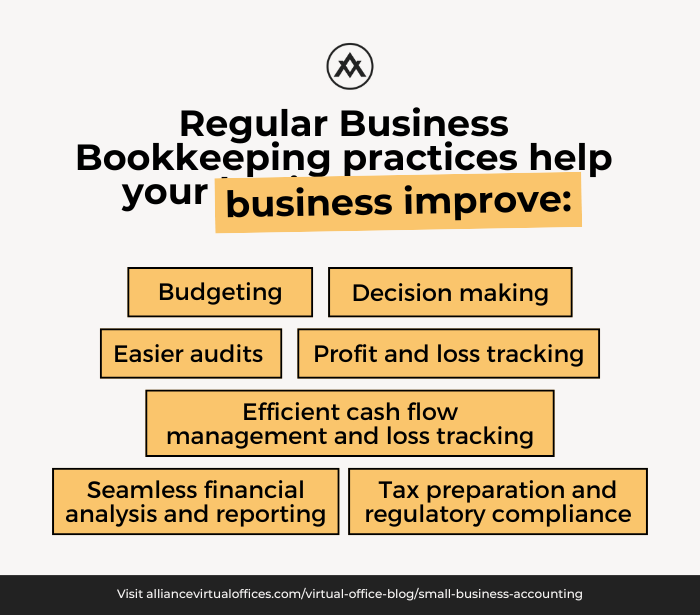
While you can use spreadsheets or paper ledgers, these methods require a lot more manual effort, which increases your chances of making an error. Today's accounting software programs are frequently inexpensive, easy to use and included hassle-free integrations and automation features to streamline your accounting processes. Your 2 main choices are desktop-based downloadable programs or cloud-based software-as-a-service (SaaS) programs.
All-in-one accounting solutions that use bookkeeping, invoicing, payroll, tax support and other functions are fantastic if you want the most worth for your membership rate; however, you may want to invest in different programs for invoicing or payroll if you need more robust assistance., specifically in the start," Miller noted.
Optimizing Team Rostering for Productivity
At the greatest level, your income and expenses can be separated into properties, liabilities, revenues, expenditures and equity. Each of these "accounts" can be more divided into sub-accounts to help you much better track your money. For instance, your costs account might have numerous sub-accounts like marketing, workplace materials, worker wages, payroll taxes, software application memberships and more.
Laying the structure for your business accounting is only half the battle. As soon as your software and accounts are set up, you'll need to continually monitor your finances and guarantee that every deal has been properly tape-recorded and classified. Even if you utilize an automatic transaction import function, you'll still wish to reserve time monthly to examine and reconcile your company's financial accounts and make sure absolutely nothing was left out or miscategorized.
If you do not have the budget to hire an internal accounting professional or monetary supervisor, you can outsource your bookkeeping and payroll requires to a specialized firm or speak with a financial advisor."You need to get the ideal legal and accounting suggestions before you launch your organization," stated Miller. "There are lots of [financial] items that need to be addressed and it would be optimum if you have an individual who can help you with all your needs."CO aims to bring you motivation from leading respected experts.
Expert business advice, news, and trends, delivered weekly By registering you consent to the CO Personal Privacy Policy. You can pull out anytime. Released March 06, 2025.

Latest Posts
Smart Staff Scheduling Tactics for Peak Productivity
Effective Cost Reduction Strategies for Greater Financial Sustainability
Lowering Retail Operating Expenses to Increase ROI